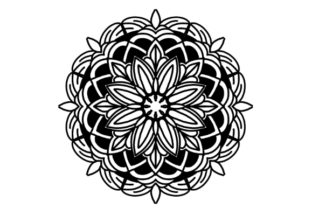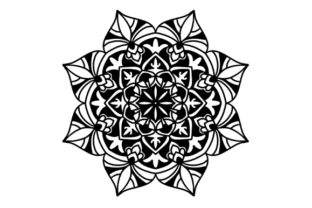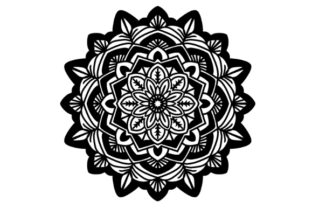
Discover the Beauty and Versatility of Batik with 100 Vector Seamless Patterns
Batik is a traditional textile art form that originated in Indonesia, known for its intricate patterns and vibrant colors. This ancient craft involves applying wax to fabric before dyeing it, creating unique designs that are both visually striking and culturally significant. Today, batik continues to inspire designers, artists, and creators across the globe, offering a blend of heritage and modernity. Whether you're a fashion designer, graphic artist, or simply someone looking to incorporate artistic elements into your projects, understanding the potential of batik can open up new creative possibilities.
Understanding the Challenges of Traditional Batik
While batik has a rich history and aesthetic appeal, it also presents several challenges. The process of hand-dyeing and wax-resist techniques can be time-consuming and requires a high level of skill. Additionally, sourcing authentic batik fabrics can be difficult, especially for those who are not based in Indonesia. These limitations can hinder creativity and limit access to this beautiful art form for many aspiring designers and hobbyists.
The Role of Digital Tools in Modern Batik Design
Thanks to advancements in digital design tools, the world of batik has evolved significantly. One such innovation is the availability of 100 vector seamless patterns in formats like AI, EPS, SVG, and CDR. These digital resources allow users to easily integrate batik-inspired designs into various projects without the need for traditional textile skills. By using these vector patterns, creators can achieve professional-quality results quickly and efficiently.
Why Choose Vector Seamless Patterns?
- Seamless design: These patterns repeat seamlessly, making them ideal for use in backgrounds, textiles, and other large-scale applications.
- High scalability: Vector files maintain quality at any size, ensuring sharp visuals whether used on a website or printed on fabric.
- Easy customization: Users can modify colors, shapes, and layouts to suit their specific needs and creative vision.
- Multi-format support: Available in AI, EPS, SVG, and CDR, these patterns are compatible with a wide range of design software and platforms.
Practical Applications of Batik-Inspired Vector Patterns
The versatility of batik-inspired vector patterns makes them suitable for a wide array of applications. From fashion and interior design to web development and print media, these patterns offer endless possibilities for creative expression.
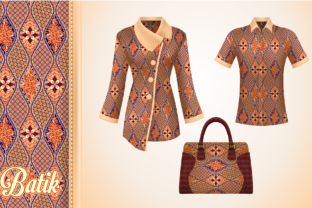
Fashion and Textile Design: Designers can use these patterns to create custom fabrics, prints, and accessories. Whether it's a dress, bag, or scarf, integrating batik patterns adds a touch of cultural richness and visual interest.
Graphic Design and Web Development: In digital spaces, batik patterns can enhance user interfaces, website backgrounds, and social media graphics. Their intricate details and bold colors make them stand out in both print and online environments.
Interior Design and Home Decor: Batik patterns can be applied to wall art, curtains, and upholstery, adding a unique and artistic flair to living spaces. They bring warmth and character to any room, making them a popular choice among interior designers.
Education and Cultural Projects: Schools and cultural organizations can use these patterns to teach about Indonesian heritage, promote art education, and encourage cross-cultural appreciation.
How Different Users Can Benefit from Batik Patterns
The benefits of batik-inspired vector patterns vary depending on the user’s goals and expertise. For example:
- Beginners: These patterns provide an accessible entry point into the world of batik, allowing individuals to experiment with design without requiring advanced skills.
- Professionals: Experienced designers can use these patterns as a foundation for more complex projects, customizing them to meet specific client needs.
- Students: Educators can leverage these patterns to teach design principles, color theory, and cultural studies in an engaging and interactive way.
- Artists: Creative professionals can incorporate these patterns into mixed-media works, installations, and other forms of artistic expression.
Considerations for Choosing and Using Batik Patterns
When selecting batik patterns, it's important to consider factors such as quality, format compatibility, and licensing. High-resolution vector files ensure that the patterns remain crisp and clear when scaled. Additionally, verifying the licensing terms is crucial to avoid any legal issues, especially if the patterns are intended for commercial use.
For optimal results, users should also take the time to explore different pattern styles and color variations. Some patterns may be more suited for minimalist designs, while others offer a bolder, more intricate look. Experimenting with layering and combining multiple patterns can lead to unique and eye-catching compositions.
Conclusion: Embracing the Future of Batik
Batik is more than just a traditional craft—it's a dynamic and evolving art form that continues to inspire and innovate. With the availability of 100 vector seamless patterns in AI, EPS, SVG, and CDR formats, anyone can bring the beauty of batik into their creative projects. Whether you're a designer, artist, or simply someone passionate about culture and design, these digital resources offer a powerful tool for self-expression and innovation.
By embracing the future of batik through digital means, we not only preserve its rich heritage but also expand its reach and impact in the modern world. Explore the possibilities, experiment with new ideas, and let batik inspire your next creative endeavor.