Exploring the Aesthetic and Utility of Leaves, Branches, and Flower Texture in Greyscale Digital Paper
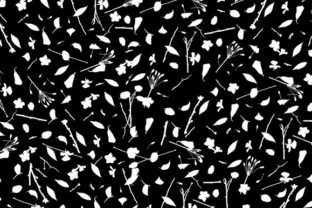
The integration of natural elements such as leaves, branches, and flowers into digital paper design has opened new possibilities for both artistic expression and practical application. When combined with a greyscale palette, this texture offers a unique blend of visual depth and simplicity that appeals to a wide range of users. Whether used in graphic design, educational materials, or creative projects, the combination of Leaves, Branches, and Flower Texture with greyscale digital paper provides a versatile foundation for innovation.
The Visual Language of Natural Textures
Natural textures like those found in Leaves, Branches, and Flowers carry an intrinsic visual language that resonates with human perception. These elements are not just decorative; they evoke memories, emotions, and connections to nature. In digital design, incorporating these textures into greyscale formats allows for a subtle yet impactful aesthetic that can be adapted to various contexts.
The greyscale format strips away color, focusing attention on form, contrast, and composition. This makes it particularly effective for highlighting the intricate details of Leaves, Branches, and Flowers. The absence of color also ensures that the design remains accessible to all audiences, including those with color vision deficiencies.
Applications in Graphic Design
In the realm of graphic design, the use of Leaves, Branches, and Flower Texture in greyscale digital paper can transform static layouts into dynamic compositions. For instance, a designer might use these textures as background layers to add depth without overwhelming the main content. This approach is especially useful in creating visually engaging websites, brochures, and social media graphics.
Consider a website dedicated to environmental conservation. By using greyscale digital paper with Leaves, Branches, and Flower Texture, the site can maintain a clean and professional look while still evoking the organic feel of nature. This balance between aesthetics and functionality is key to achieving a successful design.
Enhancing Educational Materials
Educational materials often benefit from the inclusion of natural textures to enhance engagement and comprehension. For example, textbooks on botany or ecology can incorporate greyscale digital paper with Leaves, Branches, and Flower Texture to illustrate plant structures and ecosystems more effectively.
These textures can serve as visual aids, helping students differentiate between various types of leaves, branches, and flowers. The greyscale format ensures that the focus remains on the structural aspects rather than color, which is particularly beneficial when teaching about plant anatomy or ecological relationships.
Designing for Accessibility
Accessibility is a crucial consideration in any design project. The use of greyscale digital paper with Leaves, Branches, and Flower Texture supports accessibility by reducing visual clutter and enhancing readability. This is especially important for individuals with visual impairments or those who require high-contrast displays.
Additionally, the texture itself can provide tactile feedback when printed, making it suitable for educational tools and interactive learning environments. This dual-purpose approach ensures that the design is not only visually appealing but also functional for a diverse range of users.
Practical Considerations in Implementation
When implementing Leaves, Branches, and Flower Texture in greyscale digital paper, several practical considerations should be taken into account. First, the resolution of the image is critical. A JPG format at 300 dpi ensures that the texture remains sharp and detailed, even when scaled up for larger prints or displays.
The dimensions of the image—2862 pixels wide and 2362 pixels tall—offer flexibility in how the texture can be applied. Whether used as a background, overlay, or standalone element, these dimensions allow for seamless integration into various design workflows. The physical size of the image, equivalent to 24.23 cm by 20 cm, makes it ideal for both digital and print applications.
It's also important to consider the file size and compatibility of the image format. While JPG files are widely supported, they may not always be the best choice for high-quality printing. However, in most cases, the quality and resolution provided by a 300 dpi JPG make it a suitable option for most design needs.
Comparative Advantages
Compared to other digital paper options, the use of Leaves, Branches, and Flower Texture in greyscale format offers distinct advantages. One of the primary benefits is its ability to create a cohesive and natural-looking design without the need for additional color elements. This simplifies the design process and reduces the potential for visual distractions.
Moreover, the texture adds a layer of authenticity to the design, making it more relatable and engaging for the audience. Whether used in marketing materials, instructional content, or personal projects, the presence of natural elements can significantly enhance the overall impact of the design.
Real-World Use Cases
The versatility of Leaves, Branches, and Flower Texture in greyscale digital paper makes it applicable across a wide range of industries and disciplines. For example, in the field of interior design, these textures can be used to create wall art or decorative elements that bring a sense of nature indoors. The greyscale format ensures that the design remains timeless and adaptable to different color schemes.
In the realm of product packaging, the use of these textures can help brands stand out while maintaining a minimalist aesthetic. A skincare brand, for instance, might use greyscale digital paper with Leaves, Branches, and Flower Texture to create packaging that feels organic and eco-friendly, aligning with the brand's values and target audience.
For educators and researchers, these textures can be incorporated into presentations, reports, and publications to enhance the visual appeal and clarity of the content. The greyscale format ensures that the focus remains on the information being presented, without unnecessary visual distractions.
Conclusion
The integration of Leaves, Branches, and Flower Texture into greyscale digital paper represents a powerful intersection of nature and technology. By leveraging the unique characteristics of these textures, designers, educators, and creators can craft visually compelling and functionally effective solutions that resonate with a broad audience. Whether used in digital media, print materials, or educational resources, this combination offers a versatile and impactful approach to design that prioritizes both aesthetics and utility.