Mastering Mandala Vector Art Pattern 696: A Practical Guide for Creative and Productive Workflows
Mandala Vector Art Pattern 696 is a versatile design element that has found its way into the toolkit of designers, artists, and creators across various industries. This intricate pattern offers a unique blend of symmetry, geometry, and visual appeal, making it an ideal choice for both aesthetic and functional applications. Whether you're working on branding materials, digital illustrations, or personal projects, understanding how to integrate Mandala Vector Art Pattern 696 into your workflow can significantly enhance your creative output.
Understanding Mandala Vector Art Pattern 696
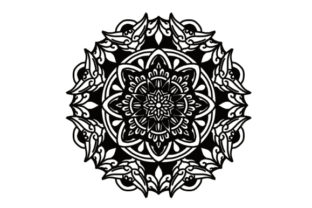
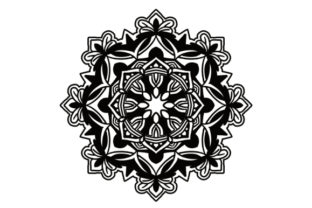
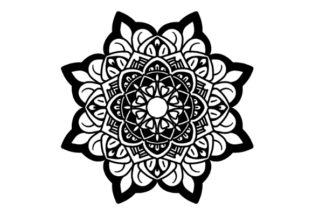
Mandala Vector Art Pattern 696 is part of a larger collection of vector-based mandala designs that are widely used in graphic design, web development, and print media. Unlike traditional mandalas, which are often hand-drawn, this version is created using precise vector tools, allowing for scalability without loss of quality. The pattern features a complex yet balanced composition, with interlocking shapes and repeating motifs that create a sense of harmony and focus.
The key advantage of Mandala Vector Art Pattern 696 lies in its adaptability. It can be customized to fit different color schemes, sizes, and formats, making it suitable for a wide range of applications. Whether you're designing a logo, creating a background for a website, or developing a printable poster, this pattern provides a solid foundation that can be easily modified to suit your needs.
Where Mandala Vector Art Pattern 696 Fits in Your Workflow
The integration of Mandala Vector Art Pattern 696 into your workflow depends on the specific project or task at hand. For example, during the initial planning phase of a design project, this pattern can serve as a visual anchor, helping to establish a cohesive theme or style. Its geometric structure also makes it an excellent choice for creating templates or mockups that require precision and consistency.
During the execution phase, Mandala Vector Art Pattern 696 can be used as a background element, adding depth and texture to your design without overwhelming the main content. In marketing or branding contexts, it can be incorporated into social media graphics, email newsletters, or promotional materials to create a visually engaging experience for your audience.
After the project is completed, Mandala Vector Art Pattern 696 can continue to provide value by serving as a reusable asset. Its vector format ensures that it remains high-quality regardless of the size or resolution at which it's used. This makes it particularly useful for businesses that need to maintain brand consistency across multiple platforms and mediums.
Using Mandala Vector Art Pattern 696 with Other Tools and Resources
Mandala Vector Art Pattern 696 is designed to work seamlessly with a variety of design software and platforms. Whether you're using Adobe Illustrator, Inkscape, or even online design tools like Canva, this pattern can be easily imported and customized to fit your project requirements.
One of the most valuable aspects of Mandala Vector Art Pattern 696 is its compatibility with other design elements. For instance, it can be paired with typography, icons, or illustrations to create a layered and dynamic composition. When working with clients or collaborators, having access to this pattern can streamline the design process and ensure that everyone is aligned on the final outcome.
Additionally, the availability of Mandala Vector Art Pattern 696 in AI, EPS, and JPG formats means that it can be used across different platforms and devices. This flexibility is especially important for professionals who work in diverse environments, from desktop studios to mobile workflows. The ability to switch between file types without compromising quality ensures that your creative process remains uninterrupted.
Practical Implementation Tips for Using Mandala Vector Art Pattern 696
To make the most of Mandala Vector Art Pattern 696, it's essential to approach it with a clear plan and purpose. Start by identifying the specific use case for the pattern—whether it's for branding, illustration, or decorative purposes. Once you have a clear goal in mind, consider how the pattern can be adapted to meet those needs.
When working with the pattern, pay attention to the details. Since it's a vector design, you can adjust colors, scale, and positioning with ease. However, it's important to maintain the integrity of the original design to preserve its visual impact. Experiment with different color combinations and layering techniques to find the best match for your project.
Another tip is to organize your files effectively. Since Mandala Vector Art Pattern 696 comes in multiple formats, it's a good idea to keep them in separate folders or labeled containers. This helps prevent confusion and ensures that you can quickly access the right file when needed. Additionally, maintaining a consistent naming convention can save time and reduce errors in your workflow.
Finally, don't forget to test the pattern in different contexts. Try using it in various design scenarios to see how it performs under different conditions. This will help you identify any potential issues and refine your approach over time. By continuously experimenting and refining your use of Mandala Vector Art Pattern 696, you'll be able to unlock its full potential and integrate it more effectively into your creative process.
Conclusion
Mandala Vector Art Pattern 696 is more than just a design element—it's a powerful tool that can enhance your workflow, improve your creativity, and support your professional goals. Whether you're a designer, marketer, educator, or hobbyist, incorporating this pattern into your routine can lead to more efficient, effective, and visually compelling results. By understanding how to use it in context and adapting it to your specific needs, you'll be able to maximize its value and achieve greater success in your projects.