Pattern Abstract Hexagon: A Versatile Design Element for Modern Creativity
The Pattern Abstract Hexagon has emerged as a powerful visual tool in the world of design, blending geometric precision with artistic freedom. This abstract hexagonal pattern is not just a decorative element—it's a versatile asset that can be integrated into various creative and practical workflows. Whether you're working on a fashion project, designing a website, or creating a backdrop for a presentation, the Pattern Abstract Hexagon offers a unique way to add depth, structure, and style to your work.
Understanding the Pattern Abstract Hexagon
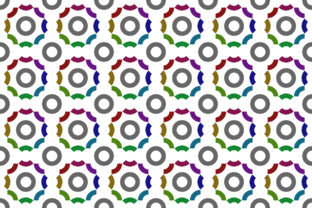
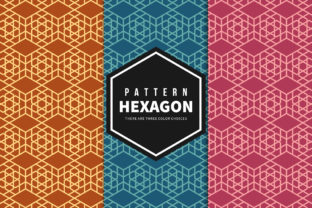
The Pattern Abstract Hexagon is a repeating geometric motif composed of hexagons, often combined with other shapes like rhombuses, triangles, or squares. Its abstract nature allows for infinite variations, making it adaptable to different styles and applications. The pattern is typically created using vector graphics, which ensures scalability and high-quality output across various mediums.
This design is particularly popular in the realms of modern design, graphic design, and fashion. The hexagonal shape is not only visually striking but also structurally efficient, offering a sense of order and balance. When used as a seamless texture, it becomes an ideal background for websites, apps, or printed materials, providing a clean yet dynamic aesthetic.
Where Does the Pattern Abstract Hexagon Fit In?
The Pattern Abstract Hexagon is more than just a background—it's a component of a broader creative process. It can be used before, during, or after a project to enhance the overall look and feel of the final product. For instance, in the early stages of a design project, this pattern can serve as a template or backdrop to help visualize layout ideas or color schemes.
During the execution phase, the Pattern Abstract Hexagon can act as a graphic element that complements other design assets. It can be layered over text, images, or videos to create a cohesive and modern visual language. After the project is complete, the pattern can be used as a decorative element in presentations, marketing materials, or even as a wallpaper for digital or physical spaces.
Practical Applications of the Pattern Abstract Hexagon
The versatility of the Pattern Abstract Hexagon makes it suitable for a wide range of applications. Here are some key use cases:
- Fashion Design: The hexagonal pattern can be incorporated into fabric prints, logos, or accessories, adding a modern and geometric flair to clothing lines.
- Web and App Design: As a seamless vector background, it can be used to create visually engaging user interfaces without disrupting the flow of content.
- Interior Design: The pattern can serve as a wallpaper or texture in home or office settings, offering a contemporary and sophisticated look.
- Graphic Design: The abstract geometric graphic can be used as a background, border, or decoration in posters, brochures, or social media visuals.
- Product Packaging: The repeating pattern can be applied to packaging designs to create a consistent and memorable brand identity.
Each application benefits from the pattern’s ability to blend seamlessly with other elements, ensuring that it enhances rather than overwhelms the design.
Integrating the Pattern Abstract Hexagon into Your Workflow
To effectively integrate the Pattern Abstract Hexagon into your workflow, consider the following steps:
- Plan the Use Case: Determine where and how the pattern will be used. Will it be a background, texture, or graphic element? Understanding its purpose will guide the selection of appropriate variations and colors.
- Choose the Right Format: Since the pattern is often used digitally, ensure it is available in vector format (e.g., SVG) for scalability and quality retention.
- Test Compatibility: Before finalizing the design, test the pattern across different platforms and devices to ensure it maintains its integrity and appearance.
- Balance with Other Elements: Use the pattern as a supporting element rather than the focal point. Pair it with complementary colors, typography, and imagery to maintain visual harmony.
- Optimize for Performance: If using the pattern in digital projects, optimize its file size to ensure fast loading times and smooth performance.
By following these steps, you can ensure that the Pattern Abstract Hexagon enhances your design without compromising usability or efficiency.
Designing with the Pattern Abstract Hexagon
When designing with the Pattern Abstract Hexagon, consider the following tips to achieve the best results:
- Use Monochrome or Bold Colors: The pattern works well with both monochrome and bold color schemes, allowing for flexibility in design choices.
- Experiment with Layouts: Play with how the pattern interacts with text, images, and other design elements. Try placing it behind, beside, or within content to create interesting visual effects.
- Layer for Depth: Add layers to the pattern to create a 3D effect or textured surface, especially when using it as a wallpaper or backdrop.
- Customize for Specific Needs: Modify the pattern to suit your specific project. Adjust the size, spacing, or color to align with your brand or design goals.
- Ensure Seamless Tiling: The seamless nature of the pattern means it can be repeated without visible seams, making it ideal for large-scale applications.
These strategies can help you maximize the potential of the Pattern Abstract Hexagon while maintaining a professional and polished finish.
Conclusion
The Pattern Abstract Hexagon is a powerful and flexible design element that can elevate any creative project. Whether you're working in fashion, web design, or interior design, this pattern offers a unique way to add structure, style, and sophistication to your work. By understanding its applications, integrating it into your workflow, and experimenting with its variations, you can unlock new possibilities and create visually compelling designs that stand out in a competitive market.