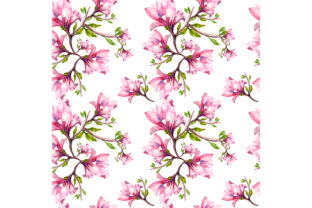
Seamless Pattern with Magnolia
When it comes to design, the right visual elements can transform a simple project into something truly special. A seamless pattern with magnolia is one such element that offers both beauty and versatility. This type of pattern features magnolia flowers and leaves arranged in a way that allows them to repeat seamlessly across a surface—without visible seams or breaks. It’s not just decorative; it’s functional, adaptable, and highly relevant in today’s creative industries.
The Beauty of Seamless Design
A seamless pattern with magnolia is more than just a collection of floral motifs. It’s an intentional design that blends natural elegance with modern aesthetics. The magnolia flower, known for its soft petals and subtle color variations, lends itself beautifully to watercolor illustrations. When rendered in a seamless format, these designs can be used in a variety of applications—from digital backgrounds to fabric prints—without losing their charm or cohesion.
What makes this style particularly appealing is its ability to adapt to different scales and contexts. Whether you're working on a small logo or a large-scale wall mural, a seamless pattern with magnolia maintains its visual integrity. This flexibility makes it a favorite among designers looking for both artistic expression and practical utility.
Where Can a Seamless Pattern with Magnolia Be Used?
The appeal of a seamless pattern with magnolia lies in its broad range of applications. Here are some real-world scenarios where it shines:
- Fashion and Textiles: From clothing patterns to home decor fabrics, a seamless pattern with magnolia adds a touch of nature-inspired elegance. It’s especially popular in spring and summer collections, where light, airy designs are in demand.
- Interior Design: In home décor, this pattern can be used on wallpaper, upholstery, or even as part of a wall art piece. Its organic feel brings warmth and sophistication to any space.
- Digital Media: Web designers and graphic artists often use seamless patterns with magnolia to create visually engaging backgrounds. These patterns work well in both print and digital formats, offering a consistent aesthetic across platforms.
- Art and Illustration: For artists, a seamless pattern with magnolia provides a ready-made template for creating hand-drawn textures. It’s ideal for those who want to experiment with watercolor techniques while maintaining a cohesive design.
Each of these applications demonstrates how a seamless pattern with magnolia can be tailored to fit specific needs. Whether you’re a designer, artist, or DIY enthusiast, there’s a place for this kind of design in your creative toolkit.
Hand Drawn Textures: A Trendy Modern Style
One of the most attractive aspects of a seamless pattern with magnolia is its hand-drawn texture. Unlike mass-produced designs, this style carries a sense of authenticity and individuality. The watercolor illustration technique adds depth and variation, making each pattern unique yet still repeatable without disruption.
This approach aligns perfectly with current design trends that favor organic, handcrafted aesthetics. It appeals to audiences who appreciate the imperfections and nuances of human creativity. As a result, a seamless pattern with magnolia can stand out in a market flooded with digital perfection.
For designers and illustrators, using a seamless pattern with magnolia can also serve as a starting point for more complex projects. It offers a foundation upon which to build custom designs, allowing for greater flexibility and personalization.
Considerations Before Using a Seamless Pattern with Magnolia
While a seamless pattern with magnolia is incredibly versatile, it’s important to consider a few factors before incorporating it into your work:
- Intended Use: Understand how the pattern will be applied. Will it be used in print, digital media, or physical products? Different uses may require adjustments in scale, resolution, or color palette.
- Color Harmony: Ensure the colors of the magnolia flowers and leaves complement the overall design. A seamless pattern with magnolia should enhance, not overpower, the surrounding elements.
- Resolution and Quality: High-resolution files are essential, especially when working with detailed watercolor illustrations. Poor quality can lead to pixelation or loss of detail in final applications.
- Cultural and Symbolic Meaning: Magnolia flowers carry symbolic meanings in various cultures, from purity to resilience. Be mindful of these associations if the pattern is being used for branding or storytelling purposes.
By keeping these considerations in mind, you can make informed decisions about how best to use a seamless pattern with magnolia in your projects.
Strengths and Limitations
A seamless pattern with magnolia has several strengths that make it a valuable asset in design:
- Adaptability: It works across multiple mediums and industries, making it a versatile choice for designers.
- Aesthetic Appeal: The natural, hand-drawn style adds a level of sophistication and warmth that is hard to replicate with digital tools alone.
- Time-Saving: It provides a ready-made design that can be customized or integrated into larger projects with ease.
However, it’s also important to recognize potential limitations:
- Repetition Fatigue: If not designed carefully, a seamless pattern with magnolia can become monotonous over time, especially in large-scale applications.
- Customization Challenges: While the pattern is flexible, significant changes may require reworking the entire design, which can be time-consuming.
- Technical Requirements: High-quality versions of the pattern may need specialized software or expertise to implement effectively.
Despite these challenges, the benefits of a seamless pattern with magnolia far outweigh the drawbacks, especially when used thoughtfully and creatively.