Square Pattern Design
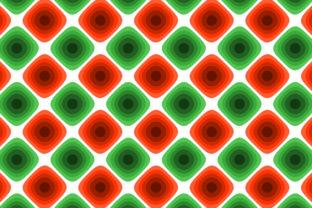
When it comes to modern design, the Square Pattern has become a go-to choice for those looking to blend simplicity with visual impact. This pattern is built from geometric shapes—primarily rectangles and circles—arranged in a structured yet artistic layout. The Square Pattern often features an abstract background with a colorful gradient, making it both versatile and eye-catching. It's especially popular in digital spaces like websites, where it can serve as a seamless wallpaper or a subtle design element that enhances user experience.
The Power of Geometry in Design
The Square Pattern leverages geometry to create balance and harmony. Rectangles form the foundation, arranged in a grid-like structure that offers a sense of order. However, this structure isn’t rigid; it’s often broken up by elements like circles, holes, and thread-like lines that add texture and movement. These details make the design feel more organic and less mechanical.
Color plays a significant role in the appeal of the Square Pattern. A combination of red, green, blue, and orange creates a vibrant palette that draws attention while maintaining visual clarity. White and black are used strategically to contrast and highlight key areas, ensuring the design remains readable and engaging. The use of metal tones like steel adds a touch of sophistication, making the pattern suitable for both casual and professional settings.
Why Choose the Square Pattern?
The Square Pattern is more than just a visual element—it’s a solution to common design challenges. For instance, it helps create a clean and modern look without overwhelming the viewer. Its structured nature makes it ideal for branding, marketing materials, and website layouts where consistency and professionalism are key.
Additionally, the Square Pattern is highly adaptable. Whether you're designing a website, creating a wallpaper, or developing an illustration, the pattern can be customized to fit your specific needs. The seamless nature of the design means it can be repeated without visible seams, making it perfect for backgrounds and large-scale applications.
Real-World Applications of the Square Pattern
One of the most practical uses of the Square Pattern is in web design. Websites often require a visually appealing yet functional background, and the Square Pattern fits the bill perfectly. Its colorful gradient and geometric layout provide a dynamic backdrop that complements content without distracting from it.
For educators and professionals, the Square Pattern can be used in presentations, infographics, and educational materials to enhance visual engagement. In creative industries, it serves as a base for illustrations, posters, and even fabric designs. The pattern’s versatility allows it to be adapted to various mediums, including digital, print, and physical products.
Designing with Color and Texture
Color is a defining feature of the Square Pattern. The interplay between red, green, and blue creates a bold yet balanced palette. Orange and black are often used to add depth and contrast, while white ensures clarity and readability. This combination not only makes the pattern visually striking but also supports accessibility, making it suitable for a wide range of audiences.
Texture is another important aspect of the Square Pattern. Elements like holes, threads, and rounded edges add dimension and interest. These textures can mimic the appearance of fabric, metal, or other materials, giving the design a tactile quality that enhances its visual appeal.
Considerations Before Using the Square Pattern
While the Square Pattern offers many benefits, there are a few considerations to keep in mind before incorporating it into your projects. First, ensure that the pattern aligns with your brand identity or design goals. A bold and colorful pattern may not be appropriate for all contexts, so it’s important to choose a style that reflects your message.
Second, pay attention to the scale and placement of the pattern. If used incorrectly, it can overwhelm the design or detract from the content. Test the pattern in different environments to see how it performs and adjust as needed. Finally, consider the technical aspects of implementation, especially when using the pattern on websites. Ensure that the design is optimized for performance and responsiveness.
Getting Started with the Square Pattern
If you’re new to using the Square Pattern, start by exploring its basic elements: rectangles, circles, and color gradients. Experiment with different combinations to find what works best for your project. You can begin with a simple layout and gradually introduce more complexity as you become more comfortable.
For beginners, using tools like Adobe Illustrator or online design platforms can help you create and customize the Square Pattern. These tools offer a range of features that allow you to manipulate colors, shapes, and textures with ease. As you gain experience, you’ll discover new ways to incorporate the pattern into your creative work.
Conclusion
The Square Pattern is a powerful tool for designers, creators, and professionals looking to elevate their work. With its structured yet artistic approach, it offers a unique way to combine form and function. Whether you're designing for the web, print, or digital media, the Square Pattern provides a versatile and engaging solution that can enhance your projects in meaningful ways.