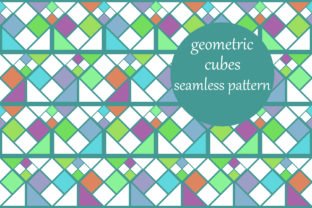
Geometric Rubiks Cube Pattern
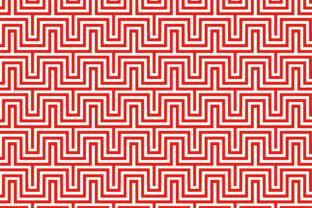
The Geometric Rubiks Cube Pattern is a striking visual design that merges the complexity and elegance of the classic Rubik’s Cube with modern digital aesthetics. It features a multicolored, geometric arrangement of shapes that evoke the iconic puzzle while offering a fresh, versatile look. This pattern is not just visually appealing—it's also highly functional, making it an excellent choice for both creative and practical applications.
A Unique Blend of Tradition and Innovation
At its core, the Geometric Rubiks Cube Pattern draws inspiration from the timeless Rubik’s Cube, known for its ability to challenge and engage users through color and spatial reasoning. However, this pattern reimagines those elements in a more stylized, scalable format. Instead of physical stickers, it uses digital shapes—squares, triangles, and hexagons—to create a dynamic, layered effect that can be adapted to various media and surfaces.
What makes this pattern stand out is its adaptability. Whether you're designing a website, creating a print layout, or working on a 3D model, the pattern can be scaled, rotated, and customized without losing its recognizable essence. Its modular structure allows for seamless integration into different projects, ensuring consistency and coherence across multiple platforms.
Key Characteristics and Strengths
The Geometric Rubiks Cube Pattern is defined by several key qualities that make it a standout design element:
- Versatility: It works well in both digital and physical formats, from web backgrounds to product packaging.
- Visual Impact: The interplay of colors and shapes creates a sense of depth and movement, drawing attention and enhancing user engagement.
- Customizability: Available in multiple color variations, it can be tailored to match brand identities or project themes.
- Scalability: The pattern remains clear and legible at any size, making it ideal for use in diverse contexts.
- Brand Potential: Its unique aesthetic offers strong branding opportunities, helping to differentiate products and services in competitive markets.
Practical Applications Across Multiple Domains
The Geometric Rubiks Cube Pattern has found a place in a wide range of industries and scenarios, thanks to its adaptability and visual appeal. Here are some real-world examples of how it can be applied:
Design and Marketing
In marketing, the pattern can be used as a background for social media posts, email templates, or promotional materials. Its eye-catching nature helps content stand out, increasing visibility and engagement. For instance, a tech startup might incorporate the pattern into their website’s hero section to reflect innovation and creativity.
Education and Learning
For educational purposes, the pattern can serve as a teaching tool. Its geometric structure can help students understand spatial relationships, symmetry, and color theory. Educators can use it in classroom activities, interactive learning modules, or even as part of a curriculum focused on design and mathematics.
Creative Projects
Artists, designers, and creators can leverage the pattern as a base for original artwork, graphic designs, or mixed-media compositions. It adds a modern twist to traditional art forms and encourages experimentation with new ideas and techniques.
Product Design and Branding
Businesses looking to create unique product designs can integrate the pattern into packaging, labels, or logos. It offers a distinctive visual identity that can help brands stand out in crowded markets. For example, a fashion brand might use the pattern as a recurring motif in their collections, reinforcing brand recognition and customer loyalty.
Benefits for Users and Organizations
Using the Geometric Rubiks Cube Pattern offers numerous benefits, depending on the context in which it is applied:
- Enhanced User Experience: The pattern can improve the visual appeal of digital interfaces, making them more engaging and intuitive.
- Improved Communication: Its structured yet colorful design can convey information effectively, whether in presentations, infographics, or data visualization.
- Increased Productivity: In work environments, the pattern can be used to organize tasks, manage workflows, or enhance collaboration through visual cues.
- Stronger Brand Identity: Consistent use of the pattern across various touchpoints helps build a cohesive and memorable brand presence.
- Greater Flexibility: The pattern’s scalability and adaptability allow it to fit seamlessly into different projects and platforms.
Choosing and Implementing the Pattern
When selecting the Geometric Rubiks Cube Pattern, consider the following factors:
- Intended Use: Determine whether the pattern will be used for digital, print, or physical applications to ensure compatibility and quality.
- Color Scheme: Choose a color variation that aligns with your brand or project theme. Options often include monochromatic, pastel, high-contrast, or gradient versions.
- Resolution and Format: Ensure the pattern is available in high-resolution formats (such as PNG or SVG) for optimal clarity and versatility.
- Integration: Test the pattern in your intended environment to confirm that it complements other design elements and maintains visual harmony.
- Feedback: Gather input from stakeholders or end-users to refine the implementation and ensure it meets expectations.
By thoughtfully applying the Geometric Rubiks Cube Pattern, you can elevate the visual and functional aspects of your projects, creating a lasting impression that resonates with your audience.