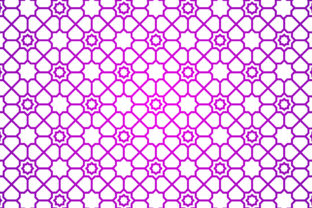
Islamic Geometric Pattern Purple: A Timeless Fusion of Tradition and Modern Design
The Islamic Geometric Pattern Purple is a striking visual element that marries the rich heritage of Islamic art with contemporary design aesthetics. This pattern, often featuring intricate geometric shapes in shades of purple and pink, has long been revered for its complexity and spiritual symbolism. Today, it continues to captivate designers, decorators, and art enthusiasts who seek both beauty and meaning in their creative projects.
Aesthetic Depth and Cultural Significance
Islamic geometric patterns are deeply rooted in the architectural and artistic traditions of the Islamic world. These designs, often seen in mosques, palaces, and public spaces, reflect a sophisticated understanding of symmetry, proportion, and repetition. The use of purple and pink in these patterns adds a layer of elegance and sophistication, making them particularly appealing in modern contexts.
The color purple, historically associated with royalty and spirituality, carries a sense of luxury and depth. When paired with soft pinks, it creates a harmonious blend that evokes both serenity and vibrancy. This combination is especially effective in creating a calming yet visually engaging environment, whether used as wall decor, fabric prints, or digital backgrounds.
Key Characteristics and Design Elements
The Islamic Geometric Pattern Purple is distinguished by its seamless, repeating structure. This makes it ideal for use in a variety of applications, from wallpaper and fabric to digital templates and decorative elements. The pattern typically features interlocking geometric shapes such as stars, polygons, and arabesques, often incorporating elements like swirls, foliage, and floral motifs.
- Seamless Repetition: The pattern is designed to repeat without visible seams, making it versatile for large-scale applications like wall coverings and textiles.
- Color Gradation: The use of gradient transitions between purple and pink enhances the visual appeal and adds dimension to the design.
- Arabesque Influence: Inspired by traditional Arabesque styles, the pattern often includes flowing lines and intricate details that evoke a sense of movement and fluidity.
- Cultural Symbolism: The geometric forms carry deep cultural and religious significance, often symbolizing unity, infinity, and divine order.
Practical Applications and Use Cases
The Islamic Geometric Pattern Purple is not just an aesthetic choice—it is a functional design asset. Its versatility allows it to be applied across multiple domains, including interior design, fashion, graphic design, and digital media.
In home décor, this pattern can be used to create a luxurious and timeless atmosphere. It works well as a wallpaper, curtain fabric, or decorative frame, adding a touch of elegance to any room. For those interested in vintage or retro aesthetics, the pattern’s ornate details make it a perfect fit for Victorian or Ottoman-inspired interiors.
In the realm of digital design, the pattern can serve as a background for websites, presentations, or social media content. Its seamless nature ensures that it can be scaled and repeated without losing quality, making it ideal for use in vector illustrations, logos, and branding materials.
For textile designers, the pattern offers a unique opportunity to blend traditional motifs with modern color palettes. Whether used in damask fabrics, Turkish rugs, or Moroccan-style textiles, the Islamic Geometric Pattern Purple brings a sense of cultural richness and artistic depth.
Quality and Usability Considerations
When evaluating the Islamic Geometric Pattern Purple, several factors should be considered to ensure its effectiveness and longevity in real-world applications. First and foremost is the quality of the vector illustration. High-resolution files are essential for maintaining clarity when scaling the pattern to larger formats or printing on physical materials.
Usability is another key consideration. The pattern should be easy to integrate into various design workflows, whether through digital tools like Adobe Illustrator or print-ready templates. Seamless tiling is particularly important for applications such as wallpaper and fabric prints, where visibility of seams can detract from the overall aesthetic.
Consistency in design also plays a role in the pattern’s reliability. A well-crafted Islamic Geometric Pattern Purple should maintain its integrity across different sizes and mediums, ensuring that it remains visually cohesive and professional in appearance.
Who Benefits Most from This Design?
The Islamic Geometric Pattern Purple is particularly beneficial for professionals and hobbyists who value both aesthetics and cultural authenticity. Interior designers, architects, and decorators may find it useful for creating spaces that reflect a blend of tradition and modernity. Likewise, graphic designers and illustrators can incorporate it into their work to add a unique and meaningful visual element.
For small business owners and entrepreneurs, this pattern can serve as a branding tool, offering a distinctive and memorable identity. It is also well-suited for educators and publishers who want to incorporate culturally rich visuals into their materials, enhancing both educational value and visual appeal.
Additionally, the pattern appeals to those interested in vintage, antique, or Eastern-inspired designs. Its retro and ornate qualities make it a strong contender for use in projects that aim to evoke nostalgia or historical depth.
Limitations and Realistic Expectations
While the Islamic Geometric Pattern Purple offers many advantages, it is important to consider its limitations. One potential challenge is its suitability for certain environments. Due to its intricate and detailed nature, it may not always be the best choice for high-traffic areas where durability and wear resistance are crucial.
Another consideration is the level of customization required. While the pattern is highly adaptable, achieving a perfect match in terms of color, scale, and placement may require some experimentation and fine-tuning, especially when working with physical materials like fabric or wallpaper.
Furthermore, the pattern’s cultural significance means that it should be used with sensitivity and awareness. Understanding the historical and symbolic context of the design helps ensure that it is respected and appreciated rather than misinterpreted or commercialized inappropriately.
Final Thoughts and Recommendations
The Islamic Geometric Pattern Purple is a powerful design element that bridges the past and present. Its intricate geometry, elegant color palette, and cultural depth make it a valuable asset for a wide range of creative and practical applications. Whether used in home décor, digital media, or fashion, this pattern has the potential to elevate the visual impact of any project.
For those seeking a blend of tradition and innovation, the Islamic Geometric Pattern Purple offers a compelling solution. With careful selection and thoughtful application, it can enhance both the aesthetic and functional aspects of your design work, making it a worthwhile investment for anyone passionate about art, culture, and creativity.